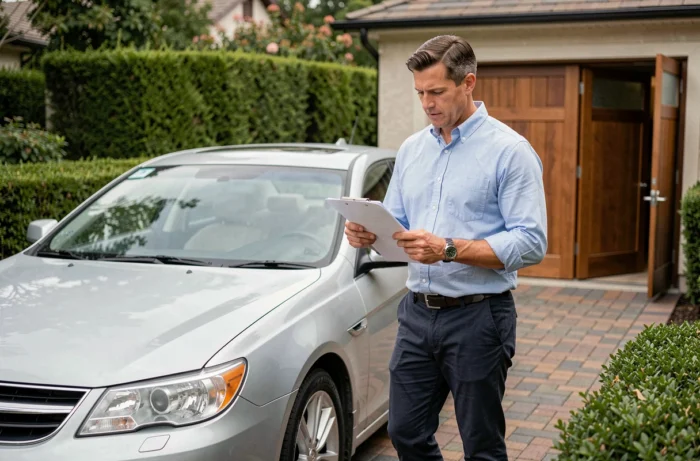
The tightening of controls on the Vehicle Registration System (SIV) and new restrictions on automotive telemarketing are reshaping the conditions for used car transactions in France. Buying or selling a car online is no longer just about posting an ad and waiting for a call: document compliance and vehicle traceability have become top-tier filters.
Locking of the SIV and fraudulent registration certificates: what changes for the buyer
The state has strengthened access controls to the SIV to curb the phenomenon of fraudulent registration certificates. According to Les Numériques and Autoplus, around one million vehicles are on the road with questionable registration documents. The locking of the system aims to prevent unauthorized professionals from generating certificates, but it also extends the timelines for legitimate sellers.
For a buyer, the direct consequence is simple: checking the administrative situation certificate is no longer enough. It is necessary to cross-reference the date of the last technical inspection, the history of registrations, and the consistency between the serial number (VIN) engraved on the chassis and that on the registration certificate. A discrepancy, even minor, signals a risk of document fraud.
Online platforms that integrate automated SIV verification offer a clear advantage in this regard. Services like those offered on https://www.clicauto.fr/ allow for the centralization of these checks even before making an appointment, reducing the risk of encountering a ghost vehicle.

Used car prices in 2026: a declining market that favors the buyer
The French used car market continues to contract. According to an analysis published by lautomobiliste.fr in August 2026, the average price of listings has reached its lowest level since the end of 2022. The volume of used registrations is declining year-on-year, and the trend shows no signs of reversal in the short term.
This price decline does not affect all segments equally. Demand is shifting towards older vehicles, while recent models, particularly those under three years old, struggle to find buyers at the listed price. Meanwhile, electrified powertrains are gaining ground in the second-hand market.
Consequences for the seller
A seller who sets their price based on the valuation from six months ago risks remaining without a buyer for weeks. We recommend comparing actual sale prices (not listed prices) on at least three platforms before publishing. Overpricing remains the primary cause of extended selling delays.
Consequences for the buyer
The drop in prices creates a favorable buying window, but it comes with an influx of vehicles with sometimes opaque histories. An abnormally low price on a recent model should trigger a thorough verification of the mileage, maintenance history, and number of previous owners.
Automotive telemarketing: the new rules of August 2026
Since August 2026, commercial telemarketing in the automotive sector has been tightened, as reported by Caradisiac. Professionals can no longer contact a private seller without their explicit prior consent. This restriction aims to protect sellers from undervalued buyback offers made over the phone.
In practice, this means two things:
- A professional who calls you without you having requested contact is acting illegally. You can report the call and refuse any negotiations initiated in this context.
- Online platforms are becoming the main channel for connecting sellers and professional buyers, as consent is tracked through registration and the publication of the ad.
- Private sellers who want a quick buyback from a professional must now initiate the request themselves, which rebalances the power dynamic regarding the proposed price.

Online sales between individuals: documents and concrete pitfalls
Transparency remains a major friction point in the used car sale, as highlighted by an analysis from Degand & Partners published in August 2026. Disputes most often revolve around hidden mechanical defects, tampered mileage, and incomplete documents at the time of transfer.
Documents to gather before any online listing
- Administrative situation certificate (non-pledged) dated within the last fifteen days, downloadable for free from the Ministry of the Interior’s website.
- Crossed registration certificate with the mention “sold on” or “transferred on,” accompanied by the Cerfa form for declaration of transfer.
- Technical inspection less than six months old for any vehicle over four years old, including any re-inspections.
- Maintenance booklet and invoices for recent repairs, which constitute the best proof of good faith in case of future disputes.
Securing payment
The bank check remains the most common payment method between individuals, but it is not infallible. We recommend contacting the issuing bank directly to confirm the authenticity of the check before handing over the keys. An instant bank transfer, when both parties have compatible accounts, eliminates this risk.
The market decline, the locking of the SIV, and the restrictions on telemarketing are pushing automotive transactions towards more traceable digital channels. For both sellers and buyers, documentary rigor and cross-checking vehicle information remain the best defense against unpleasant surprises, regardless of the chosen sales channel.