
A real estate project that seemed solid can derail for a reason that many buyers underestimate: the energy compliance of the property. Since the end of 2024, old energy performance certificates (DPE) issued before July 2021 are no longer valid. This technical detail changes the game for any acquisition, especially for homes rated E, F, or G. Here are ten practical tips to secure your real estate purchase and avoid unpleasant surprises.
1. Check the validity of the DPE before any visit

Have you spotted a listing with a displayed DPE? It is essential that this diagnosis is still valid. DPEs issued before July 1, 2021, expired at the end of 2024. A seller presenting an old diagnosis delays the transaction or even makes it non-compliant.
Before even traveling for a visit, ask for the date of the energy performance diagnosis. If the document is over ten years old or dates from before the 2021 reform, demand a new DPE. This reflex prevents you from negotiating based on a false energy label.
To deepen your research on preparing for a purchase, practical resources are gathered at https://mes-astuces-immo.com/ with sheets tailored to each step of the buyer’s journey.
2. Require an energy audit for any home rated E, F, or G

The DPE alone is no longer sufficient. For homes considered energy sieves, an energy audit is now mandatory at the time of sale. This document details the necessary renovation work, estimated costs, and expected performance gains.
Without this audit, the sale cannot legally proceed. Ensure that the seller has ordered it and read it carefully. It gives you a negotiation lever on the price if the work is extensive.
3. Analyze the collective DPE in a co-ownership

Buying an apartment in co-ownership adds a layer of complexity. The DPE of your unit does not always reflect reality if the common areas (collective heating, facade insulation) pull down the performance.
Request the collective DPE of the building from the property manager. This document reveals whether energy renovation work is planned or voted on in the general assembly. A co-ownership rated F or G with a voted work plan can be a good investment. Without a plan, it poses a direct financial risk.
4. Calculate your budget by including actual notary fees

Many buyers set their budget based solely on the price of the property. However, notary fees represent a significant portion of the total cost, especially in older properties.
These fees cover transfer taxes, notary fees, and various taxes. They vary depending on whether the property is new or old and according to the department. Include them from the start in your borrowing capacity calculation to avoid running short at the time of the sales agreement.
5. Obtain a bank agreement in principle before visits

Visiting properties without knowing how much you can borrow is a waste of time. A bank agreement in principle (or from a broker) gives you a precise framework.
This document does not bind the bank definitively, but it proves to the seller that your file is serious. In a market where competition among buyers is resuming, this advantage can make a difference against a competing offer without validated financing.
6. Read every clause of the sales agreement

The sales agreement is not a formality. It is a legal commitment that sets the conditions of the transaction. You have a withdrawal period after signing, but certain clauses deserve special attention even before signing.
- Suspensive conditions (obtaining the loan, absence of easements, state of diagnostics) protect the buyer if a problem arises.
- The deadline for completing the final sale sets the timeline. A deadline that is too short can trap you.
- Any reservations about the condition of the property must be documented in writing, not just a verbal agreement.
7. Get renovation quotes before signing

A property needing work can represent a good deal, provided you know the actual cost of the interventions. Have one or two contractors come to obtain quotes before signing the sales agreement.
This approach allows you to negotiate the sale price with informed knowledge. It also avoids unpleasant surprises: a load-bearing wall needing repair or a worn roof can turn an opportunity into a financial pit.
8. Check the status of mandatory property diagnostics
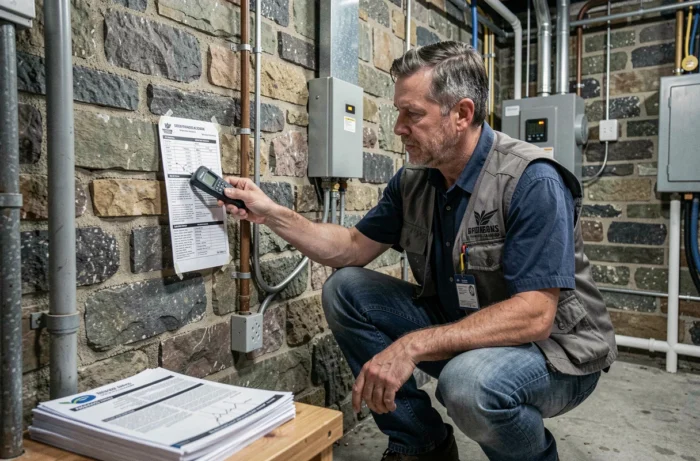
The DPE is just one diagnosis among others. The technical diagnostics file also includes the state of the electrical installation, gas, the potential presence of asbestos or lead, and the state of natural risks.
- An unfavorable electrical diagnosis signals compliance work that needs to be planned.
- The presence of asbestos in an old property can complicate a renovation and increase its cost.
- The state of risks (flooding, land movement) affects the property’s value and insurance conditions.
Each diagnosis has its own validity period. Check the dates to ensure that no document is expired at the time of sale.
9. Anticipate resale from the moment of purchase

Even if you are buying to live in, the question of resale conditions the quality of your investment. A poorly located property or one with a degraded energy label will be more difficult to resell in a few years.
Favor a location close to transport, shops, and schools. These criteria remain the most stable in the long term. A property rated A or B on the DPE attracts more buyers than a property rated F, even if partially renovated.
10. Do not neglect negotiation on the price

The displayed price is not the final price. Negotiation is an integral part of the real estate purchase process. Your room for maneuver depends on several factors: the condition of the property, the results of the diagnostics, the duration of the sale, and the conditions of the local market.
An unfavorable DPE, necessary work, or a property on the market for several months are all concrete arguments. Support your offer with factual elements (quotes from contractors, cost of energy compliance) rather than a general impression.
The real estate market in 2026 imposes new rigor on buyers. Energy compliance, the validity of diagnostics, and control of the total budget (work, notary fees, cost of credit) are no longer secondary details. They are the basic conditions for carrying out a real estate project without unpleasant surprises.